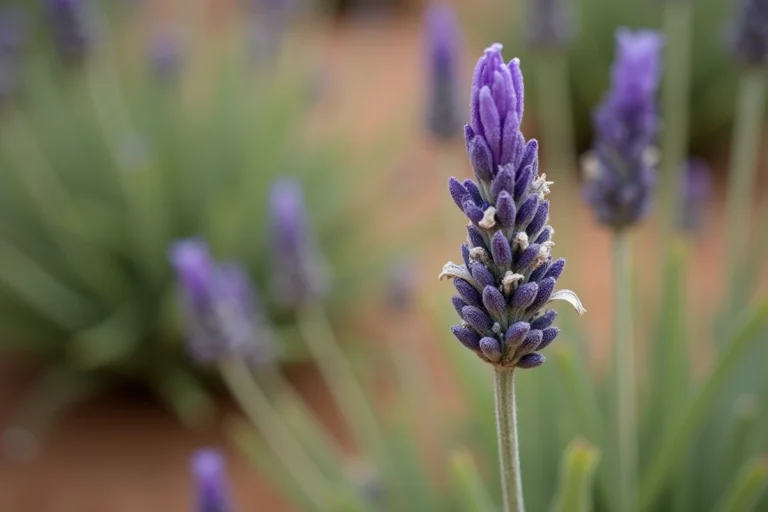
To keep your orchid blooming, you need to choose the right location. Avoid drafts and direct sunlight. Watering and humidity should be adjusted according to the species of orchid. Some orchids need a moist substrate, while others prefer a dry substrate. Fertilization is also important to encourage blooming; use a special orchid fertilizer. Pruning and maintenance are essential to prolong flowering. Cut off wilted stems and regularly clean the leaves. By following these tips, your orchid can stay in bloom for a long time.
Choosing the Right Location for Your Orchid
The orchid is a delicate plant that requires special attention. It cannot be placed just anywhere in your home if you want it to remain healthy and bloom regularly. Here are some tips to preserve your orchid.
Avoid placing your orchid near open windows, as it may be exposed to drafts and extreme temperatures. Direct sunlight can also burn its fragile leaves.
The orchid needs natural light to thrive. It is therefore recommended to place it near a window facing east or west so that the plant benefits from indirect lighting throughout the day. If you live in a hot climate, it is advisable to hang your orchids under trees to protect them from the sun during the hot hours.
Ensure that the humidity level is suitable for each species: some orchids need 80% while others require less. Regular spraying on their roots and foliage also allows for optimal development.
You should choose a pot that fits your plantings perfectly and appropriate substrates such as crushed bricks or porous gravel with effective drainage will ensure their good development for about two years before repotting is necessary depending on each variety.
Adjusting Watering and Humidity According to the Species
Watering and humidity: the secrets of each species of orchid
Watering is a crucial point for the well-being of your orchids. Each species has its particularities regarding water and humidity.
Epiphytic orchids such as phalaenopsis need a moist substrate but not soggy. It is recommended to let the soil dry slightly before the next watering. Dendrobiums and cattleyas, on the other hand, prefer a dry substrate for an extended period, followed by abundant watering.
To combat ambient dryness during hot seasons, regularly mist your plants with non-calcareous water (in certain regions where there is limescale in the water). The occasional use of a humidifier can also be beneficial to maintain a humid atmosphere around the orchids.
It should also be noted that all types of orchids do not require the same watering depending on their growing phases or their natural geographic location.
Indeed, ambient temperatures can strongly influence this last point. For example, the Vanda, which grows in its tropical environment, will need its foliage and roots to be watered two or more times a day, while the Orchis mascula will only require a low water supply monthly during its winter phase.
Fertilizing the Orchid to Encourage Blooming
Fertilization is a crucial step to ensure that your orchid remains healthy and blooms regularly. Orchids have specific nutrient needs, which can be provided by a specialized fertilizer. The choice of fertilizer will also depend on the type of orchid you are growing.
Terrestrial orchids require a fertilizer with a high nitrogen content to stimulate leaf and root growth. When it comes to an epiphytic species, such as phalaenopsis, it is better to choose a fertilizer rich in phosphorus and potassium to promote blooming.
The ideal time to fertilize your plant is during its active growth period, usually in spring and summer when the days are longer. Avoid fertilizing newly established plants or those with damaged roots as this can lead to chemical burns.
There are different types of fertilizers available on the market, such as water-soluble fertilizer (in bottles) or solid form (granules). To use liquid fertilizer correctly, dilute it in water according to the manufacturer’s instructions before each application. It is always better to underdose than overdose as this can also cause irreversible damage to the roots.
Proper fertilization is essential to achieve abundant blooms in your orchids throughout their life.
Pruning and Maintaining Your Orchid to Prolong Its Blooming
To prune your orchid, equip yourself with clean and disinfected pruning shears. Cut the wilted stems a few centimeters above the leaf level. If a branch has not bloomed for several years, it is time to cut it as well. This way, the orchid can devote all its energy to producing new flower stems.
Regular maintenance will also help prevent the appearance of diseases or pests on your plants. It is recommended to regularly examine the leaves and roots for any abnormal signs such as black or brown spots, white mold, or sudden wilting.
In case of an invasion by harmful insects such as mealybugs or aphids, use a specific biological treatment sold at garden centers or by agricultural specialists. Avoid using chemical pesticides that can severely harm your plants as well as the environment in which they grow.
In any case, if you have a problem with your ornamental plant, do not hesitate to seek advice from a professional horticulturist. You can also consult specialized forums on the internet where you will find a thousand tips to solve various problems related to cultivation in general.